BlogEducation
When Trauma Goes Unrecognized: Understanding PTSD in People with Intellectual and Developmental Disabilities
|Mercyland Healthcare Inc.|3 min read
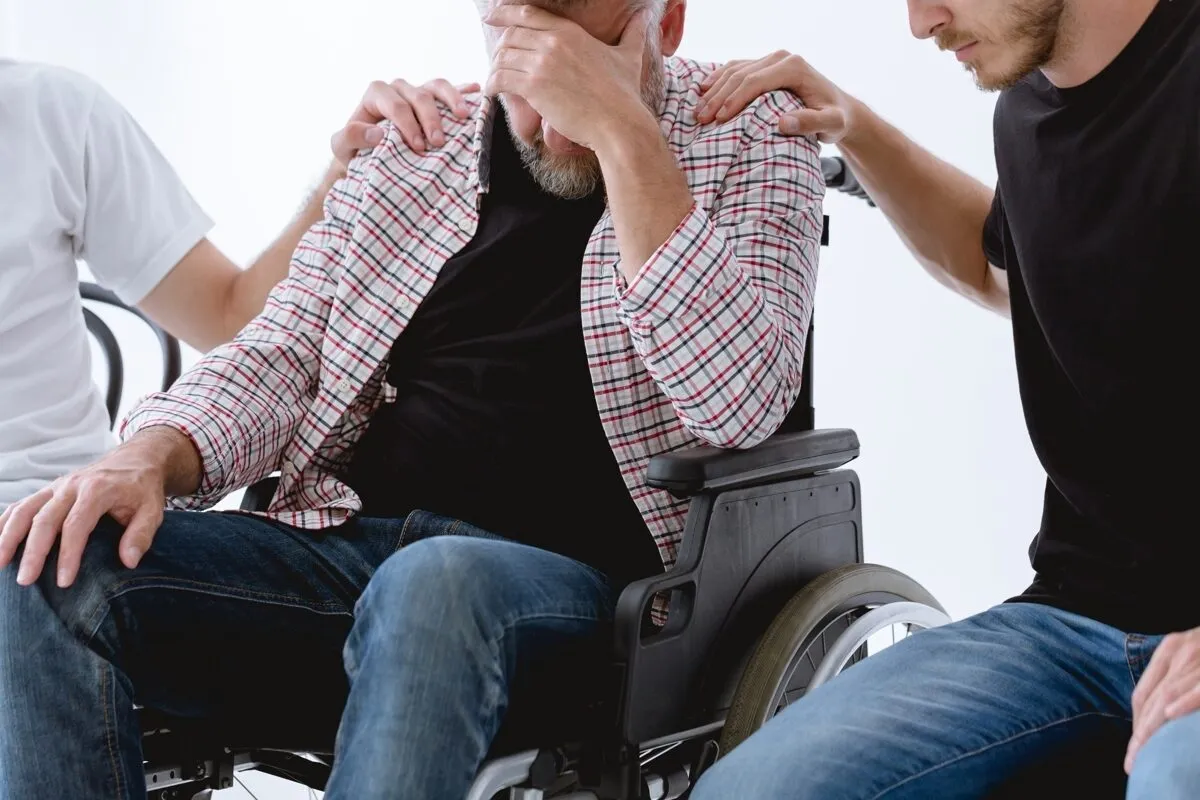
Every person carries a history. For many individuals living with intellectual and developmental disabilities (IDD), that history includes trauma that remains invisible to the systems meant to support them. Post-traumatic stress disorder (PTSD) is real, present, and significantly underdiagnosed in this population. At Mercyland Healthcare Inc. (MHI), recognizing and responding to this reality is foundational to care that empowers every individual to live with dignity and purpose.
The Scale of the Problem
People with IDD face trauma at rates that far exceed those of the general population. Research shows they may be 3 to 6 times more likely to experience abuse or neglect (Hulbert-Williams et al., 2013), and upwards of 70% experience at least one traumatic event during their lifetime, with multiple exposures being most common (Scotti et al., 2012).
Among children with IDD and co-occurring mental health conditions, 65% had experienced at least one potentially traumatic event (Lapshina & Stewart, 2021). In Washington, DC, structural inequities and limited access to specialized behavioral health services make this gap between need and care especially wide.
Why PTSD Is So Frequently Missed
Despite how common trauma is, PTSD remains dramatically underidentified in people with IDD. A key reason is diagnostic overshadowing: behavioral and emotional symptoms get attributed to the disability itself rather than to a separate, treatable condition (Kildahl et al., 2020). One study found that while 48% of patients screened positive for PTSD, only 8% had a recorded diagnosis (Nieuwenhuis et al., 2019). That gap represents people sent home without a treatment plan. PTSD in people with IDD may appear as:
- Increased agitation, self-injurious behavior, or aggression that appears sudden or unexplained
- Withdrawal or emotional shutdown tied to specific people, places, or routines
- Heightened startle responses, hypervigilance, or sleep disturbances
- Regression in previously mastered adaptive skills
These behaviors are often misread as non-compliance or a feature of the disability. They may be trauma responses, and they deserve to be treated as such.

Trauma Rooted in the Experience of Disability Itself
Trauma for people with IDD extends beyond discrete incidents of abuse. Research by McNally, Taggart, and Shevlin (2021) highlights that repeated placement transitions, loss of caregiver relationships, social exclusion, and the daily weight of stigma accumulate into complex trauma over a lifetime.
Experts have also noted that both overprotection and lack of autonomy can be traumatizing in themselves (Rittmannsberger et al., 2021). Research further links lower IQ to heightened risk of developing PTSD following adverse events (Breslau et al., 2013), meaning that reduced cognitive capacity to process distress increases vulnerability. This does not make trauma inevitable. It means our support systems must work harder and smarter.
What Trauma-Informed Care Requires

The clinical consensus points toward trauma-informed care (TIC) as the recommended starting point for supporting people with IDD who have experienced trauma (Keesler, 2020). TIC begins with a fundamental shift: replacing “What is wrong with you?” with “What happened to you?” Evidence-based therapies including Trauma-Focused Cognitive Behavioral Therapy (TF-CBT) and Eye Movement Desensitization and Reprocessing (EMDR) have shown positive outcomes when thoughtfully adapted for people with IDD (UNH Institute on Disability, 2023). Effective care first establishes safety and relational trust before any trauma processing begins, since approaching trauma directly without preparation can worsen outcomes.
MHI’s Commitment to Our Persons
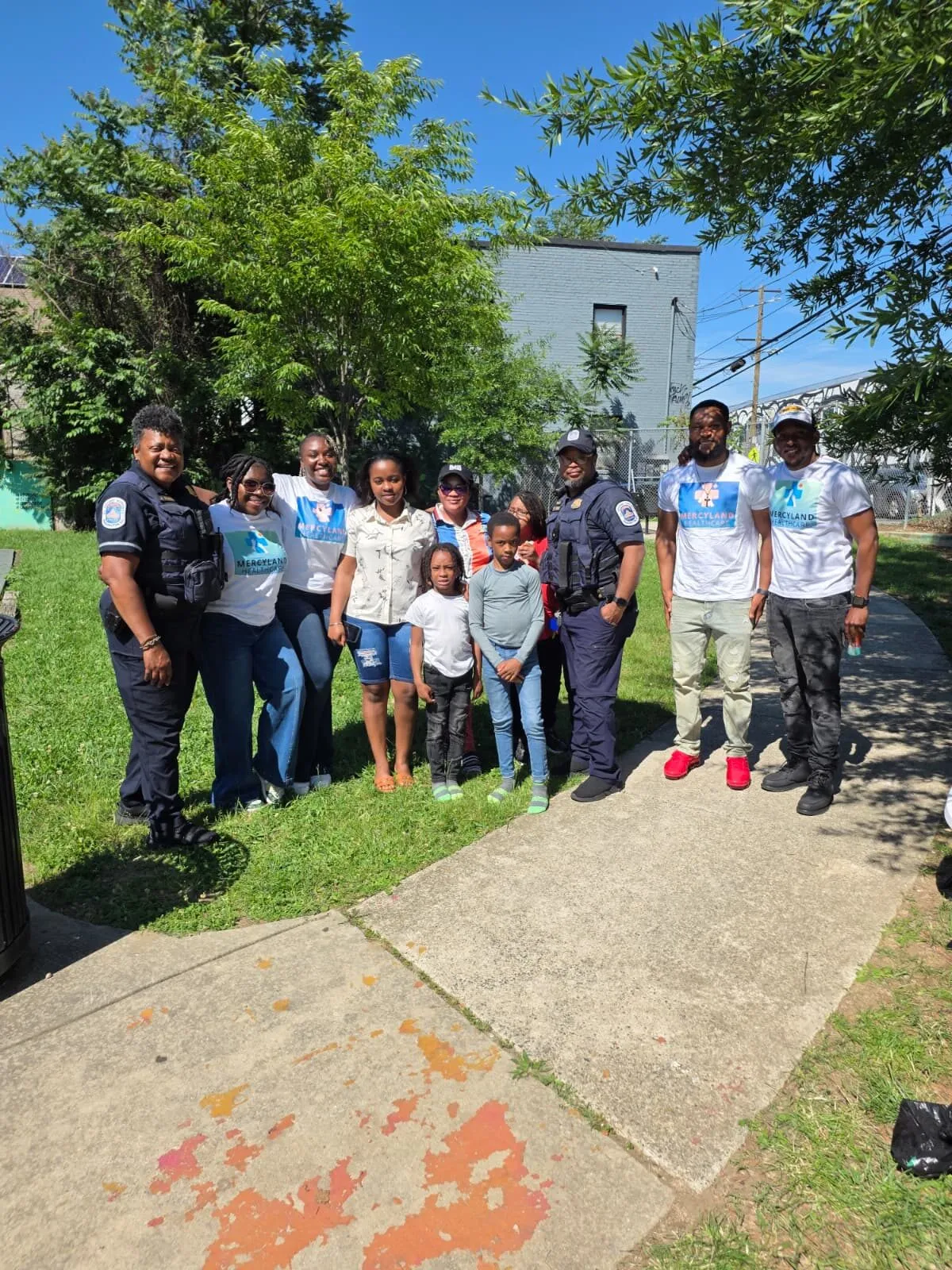
At MHI, we serve individuals across Washington, DC through home and community-based services built around the whole person. A behavioral change, an emotional withdrawal, an outburst that seems to come from nowhere: these are often signals, and they deserve a response built on curiosity and compassion.
Trauma does not disappear because it goes unnamed. Recognizing PTSD in our community is an act of respect. It says: your pain is real, your history matters, and you deserve care that sees all of you.